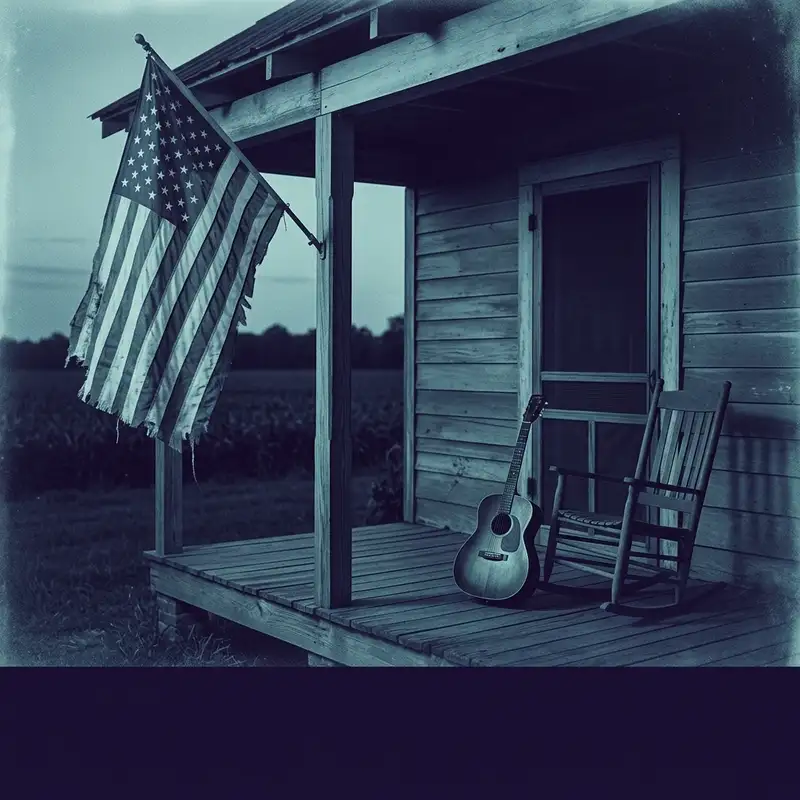
The show argues three things. First, that the blues-country split we inherited was manufactured by record labels at the Bristol Sessions — Ralph Peer building two shelves out of the same music. Second, that the blues runs beneath all of American popular music, surfacing in country, rock, jazz, and hip-hop. Third, that when the music got political, the state did not ban the songs. It went after the singers — through drug charges, tax investigations, and loyalty tests, from Billie Holiday through the Dixie Chicks.
The show is hosted by Thomas Stubbs and adapted from his forthcoming book Race Records: The Lie That Split American Music — and the Blues That Ran Underneath. The first three episodes work through Chapter 1, The Mouth of the River, tracing the music from Congo Square through Storyville and Louis Armstrong to the second-line beat that runs through New Orleans today.
It’s made for readers of Robert Palmer’s Deep Blues, Kelefa Sanneh’s Major Labels, and Jeff Chang’s Can’t Stop Won’t Stop — and for anyone who wants pop music taken as seriously as those books take it.
New episodes posted regularly. Listen anywhere you get podcasts.
Listen to the Trailer
Recommended Episode
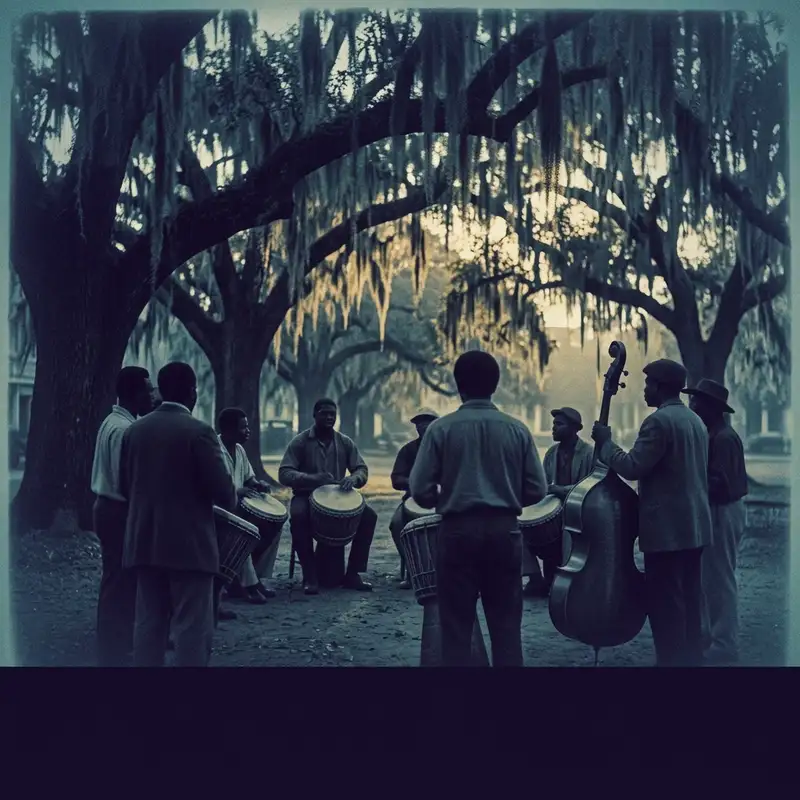
Below Sea Level: How New Orleans Built American Music
New Orleans should not exist — a city in a swamp, below sea level, at the mouth of a continent. It became the place that built American music: jazz, blues, R&B, funk, ...
Latest Episodes
Rooms Where the Walls Came Down Part 1: Sun Studio and Chess Records
July 5, 1954. A storefront studio on Union Avenue in Memphis, a nineteen-year-old Elvis failing for hours — until he started fooling with a blues during a break and th...
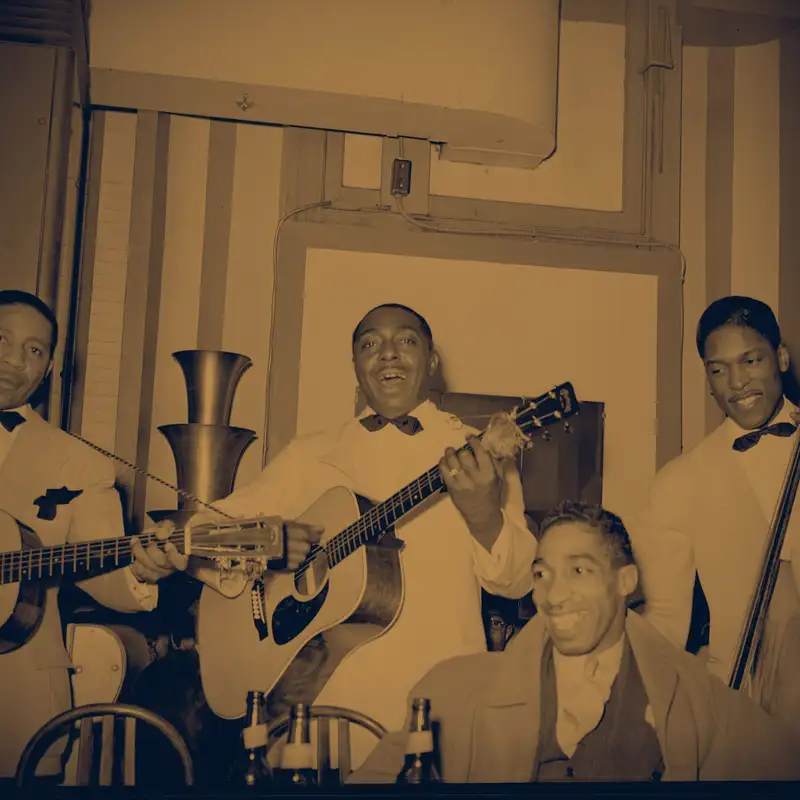
The Moondog: Alan Freed, the Payola Scandal, and the First Rock and Roll Riot
On a Friday night in Cleveland in March 1952, a crowd twice the size of the building broke down the doors of the Cleveland Arena to hear Black rhythm-and-blues bands p...
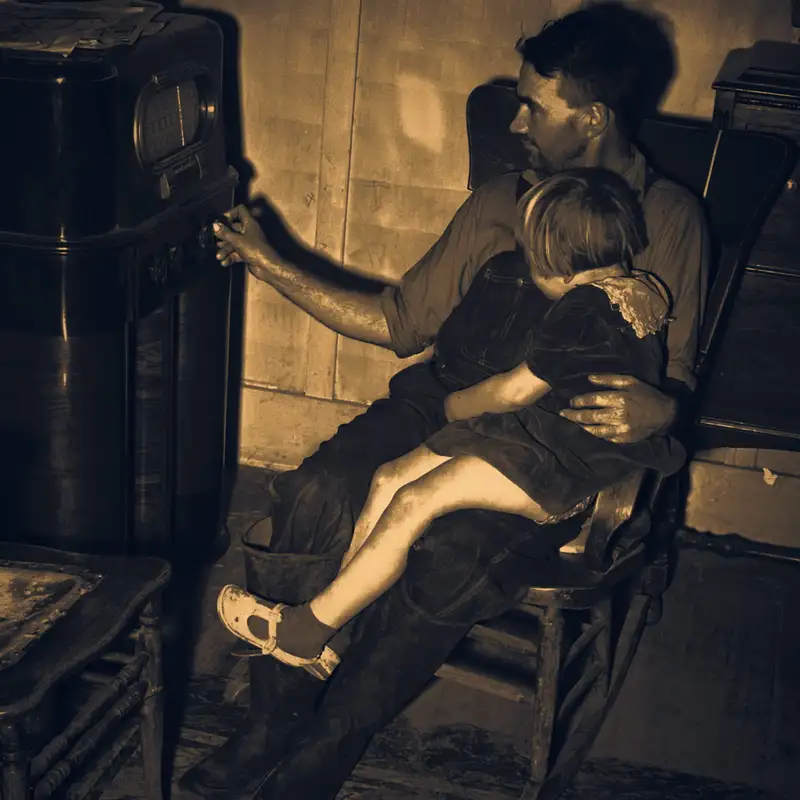
The Same Music: The Bristol Sessions, Hank Williams, and the Lie That Split Blues from Country
In the summer of 1927, a talent scout named Ralph Peer set up a temporary recording studio on the third floor of a hat company in Bristol, Tennessee, and built the two...
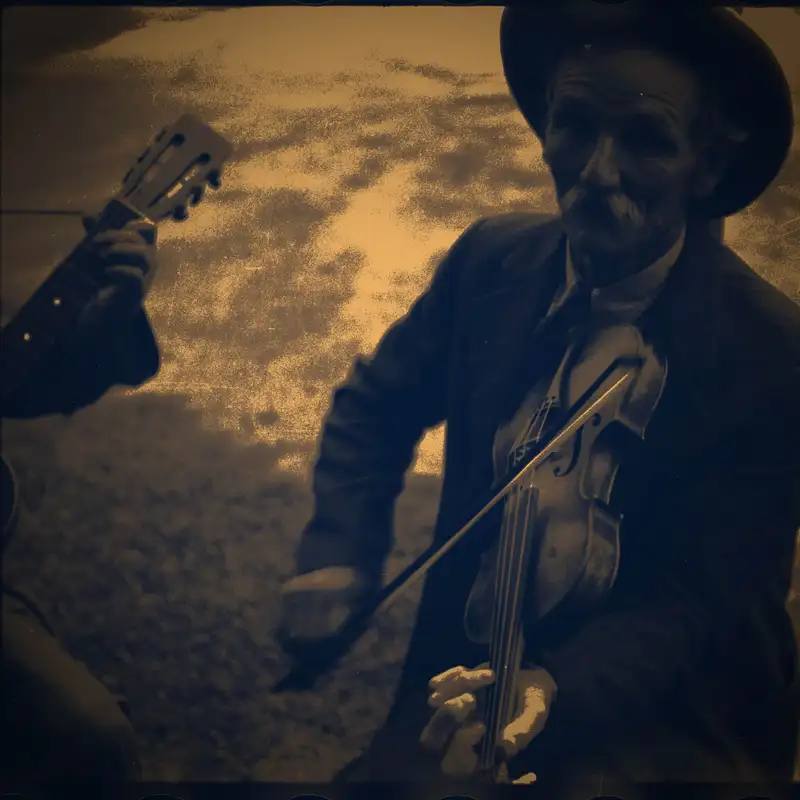
We Both Speak African: Dizzy Gillespie, Miles Davis, and How Jazz Crossed the Atlantic
Dizzy Gillespie meets Chano Pozo, Django Reinhardt hears Louis Armstrong, and Miles Davis records Sketches of Spain. How jazz crossed the Atlantic and came back change...
The Country's Memory: Jimi Hendrix, Strange Fruit, and American Music at 250
Jimi Hendrix played "The Star-Spangled Banner" at Woodstock in 1969 and let the war in around the melody. This year the United States turns 250. This Groundwater speci...